


Why European Butter Is Different (And Why American Bakers Are Obsessed With It)
- ER Kent

- Aug 1, 2025
- 3 min read
With its golden color, deep flavor, and extra fat, European-style butter is the secret weapon behind tender pastries, flaky crusts, and bakery-level flavor

If you’ve ever spread a pat of cultured European butter on warm sourdough and paused—eyes closed, tastebuds doing a standing ovation—you already know it’s not just hype. There’s something unmistakably richer, deeper, and more decadent about it.
And for bakers? It’s practically gospel.
So what exactly makes European butter different from its American cousin—and is it really worth the price tag? Here’s the breakdown, from butterfat percentages to why your croissants keep flopping without it.

1. It’s All About the Fat
The biggest (and most important) difference between European and American butter is the butterfat content.
U.S. standard butter: 80% butterfat
European-style butter: 82–86% butterfat
That 2–6% may not sound like much, but in baking, it’s massive. The FDA requires butter in the U.S. to contain at least 80% fat by weight. European Union regulations, however, set the minimum at 82%, with premium butters often hitting 85% or more.
This extra fat translates to:
Less water content, which means less steam and more control in pastries
Flakier pie crusts and puff pastry
Softer, richer cookies
A smoother, more melt-in-your-mouth mouthfeel
Brands like Plugrá, Kerrygold, and Isigny Sainte-Mère are beloved by pastry chefs for exactly this reason. America’s Test Kitchen consistently ranks these top for baking performance and taste.

2. It’s Cultured—Literally
Most American butter is sweet cream butter, made from pasteurized fresh cream without fermentation.
European butter, by contrast, is often cultured butter, meaning the cream is fermented with lactic acid bacteria before churning—similar to yogurt or crème fraîche.
This adds a tangy, complex flavor that deepens during cooking. According to Serious Eats, cultured butter brings notes of hazelnut, cheese, and cream, making it ideal not just for baking but also finishing sauces or spreading on warm bread.
You can even make your own cultured butter by letting heavy cream ferment with yogurt overnight before churning.

3. The Yellow Color Is Natural (and Seasonal)
European butters tend to be golden and vibrant, while many American butters look pale or artificially dyed.
That’s because European cows—especially in countries like Ireland and France—are often grass-fed, which leads to butter that’s richer in beta-carotene, a natural plant pigment that gives butter its yellow hue.
Grass-fed butter also tends to be higher in conjugated linoleic acid (CLA) and omega-3 fatty acids, according to the Harvard School of Public Health.
While many U.S. dairies also offer grass-fed options, it’s less consistent. Look for labeling like “pasture-raised” or “100% grass-fed” if you're seeking that same nutrient profile.

4. Bakers Love It for Laminated Doughs
If you’ve ever tried to make croissants or puff pastry at home and ended up with a soggy brick instead of flaky layers, your butter may be the problem.
European butter’s higher fat content makes it more pliable at cooler temperatures, which is critical for lamination—the process of folding and layering butter into dough.
As King Arthur Baking explains, the extra plasticity in European-style butter allows for cleaner layers, better flake, and less butter breakage.
In short: if you want real, bakery-level croissants, don’t skimp on the butter.
5. It’s Worth It—Even Beyond Baking
Even if you’re not making puff pastry from scratch, European-style butter is still a game-changer:
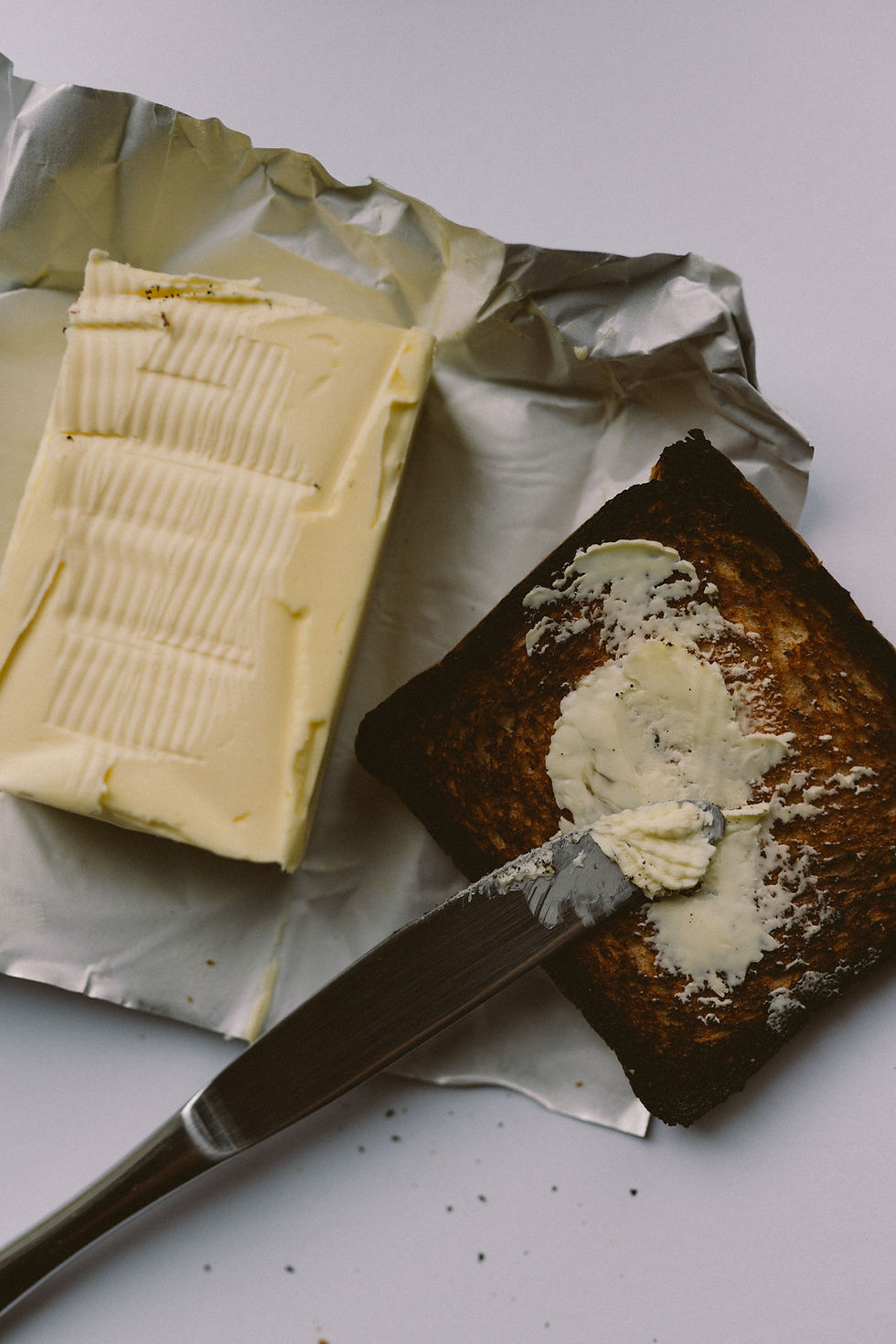
On toast, where its tangy flavor can shine
In brown butter sauces, where the milk solids deepen flavor
In shortbread or sugar cookies, where the extra fat adds melt
Swirled into mashed potatoes, for silkier texture
Spread on corn, pancakes, or roasted veggies, where every drop counts
According to the New York Times, even simple recipes like scrambled eggs or grilled cheese benefit from the richness of high-fat butter.
It’s not just about luxury—it’s about elevating flavor with fewer ingredients.

How to Store It Like a Pro
European-style butter tends to be softer and spoils faster due to lower water content and fewer preservatives. Here’s how to keep it fresh:
Store it in the fridge, tightly wrapped
Use a butter bell or crock if storing on the counter (only short-term)
Freeze unopened butter if not using it soon—it thaws beautifully
Use within 2–3 weeks of opening for peak flavor

Bottom Line: The Fat Doesn’t Lie
European butter isn’t just a gourmet upgrade—it’s a practical pantry staple for anyone who loves to bake, sauté, or simply appreciate a truly great slice of toast.
Once you taste the difference, it’s hard to go back. Because when something as small as butter has this much flavor and performance, it doesn’t just support your cooking—it transforms it.


Comments