


Why Does the U.S. Government Subsidize Sugar? A Look at the History, the Strategy, and Who Reaps the Rewards
- ER Kent

- Jul 12, 2025
- 5 min read
By ER Kent, HeartStone Homestead
Ever wonder why a five-pound bag of sugar at the store sometimes feels more expensive than it ought to be? Or why candy makers complain about sugar prices while American sugar farmers seem to be doing just fine? Well, there’s a story behind that sweetness—and it’s one that goes all the way back to the Great Depression.

Now let me be clear right from the start: I’m not here to take sides in the Farm Bill debates or tell you whether sugar should or shouldn’t be subsidized. That’s not my goal. What I do want to do is lay out the facts—plain and simple—so you can decide for yourself how you feel about it, especially when it comes to how our taxpayer dollars are being used.
So grab a cup of something warm, maybe with a spoonful of sugar in it, and let’s take a look at what’s really going on.

It All Started in Hard Times
The sugar subsidy program has been around a long time—nearly 100 years. It kicked off during the 1930s, when the country was deep in the Great Depression. Farmers were hurting, food prices were a mess, and the government stepped in with the Agricultural Adjustment Act of 1933 to try to fix things.
Sugar was one of the crops included. The idea was to help American farmers stay afloat and to prevent cheap foreign sugar from flooding in and crashing the market. The government began setting price floors and limiting imports to keep sugar prices steady and domestic farms running.
Just to give you an idea, back in the 1930s, the average retail price of sugar in the U.S. was around 4 to 5 cents per pound. That’s about $1.20 in today’s money after inflation.

How It Works in Today’s World
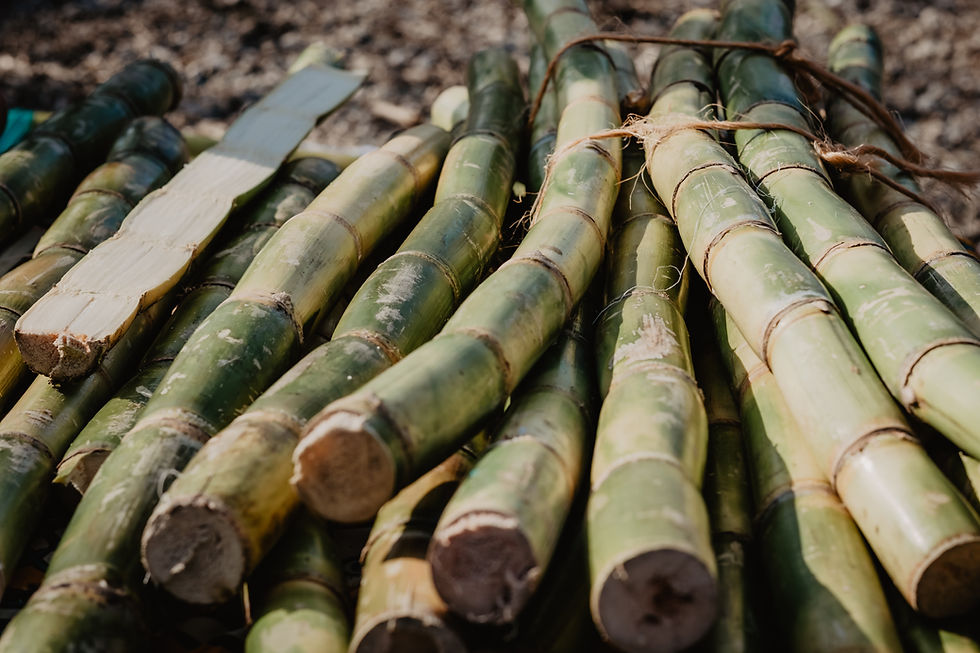
These days, the sugar program works like a safety net for sugar producers—mostly sugarcane farmers in the South and sugar beet growers in the Midwest. It has a few main parts:
Guaranteed Prices: Sugar processors (not the farmers directly, but the companies that buy from them) get a guaranteed minimum price. If sugar prices fall too low, they can repay government loans with sugar instead of cash.
Import Restrictions: The U.S. sets strict limits on how much sugar can be brought in from other countries. That helps keep prices from dropping too low but also means we pay more at the checkout line.
Sales Quotas: The government tells sugar producers how much they can sell in a given year to avoid flooding the market.
Supporters of the program like to point out that it doesn’t technically cost taxpayers money directly because it’s supposed to be self-financing. But the higher prices we all pay at the store are what you might call a hidden cost—especially for families buying everyday items made with sugar.
How Much Does Sugar Cost? Then and Now
Now here’s where it gets interesting.
In 1934, when the sugar program officially kicked off, sugar cost around 5.5¢ per pound (wholesale). That was a decent price for the time but not enough to help struggling farmers without government support.
In 2025, depending on where you shop and whether it’s cane or beet sugar, the retail price of granulated white sugar averages about $1 per pound—or about $5.00 to $5.50 for a five-pound bag.
Global sugar prices in 2025, on the other hand, are around 20¢ to 25¢ per pound. That means American consumers are paying about two to three times more than they would if sugar were priced by the global market without subsidies or protections.
So while prices haven’t skyrocketed, they’ve stayed artificially high compared to what the world market charges. Some economists estimate that Americans pay over $1 billion more every year on sugar-containing foods due to these policies.
Why Is This Still Going On?
You might be wondering: If this started during the Depression, why are we still doing it?
Good question. And there are a few reasons why it keeps sticking around.
Strong Industry Lobbying: The sugar industry, particularly a few major companies in Florida and Louisiana, has a big voice in Washington. They’ve built strong relationships with lawmakers and campaign donors over the years.
Food and Economic Security: Some folks argue that we need to produce sugar right here at home, just like we do oil, corn, or wheat. That way, if global trade ever gets disrupted, we can still make food, medicine, and even energy products that use sugar.
Stable Farming Communities: Keeping prices steady helps sugar farming communities survive without wild market swings, especially in rural areas that don’t have many job options.
And it’s not just one political party keeping this going—support comes from both sides of the aisle, especially from states where sugar is a big deal economically.

Who Comes Out Ahead—and Who Pays More
The biggest beneficiaries are a few large sugar processing companies and the farmers they work with. A lot of these operations are family-owned, especially in places like Florida, Louisiana, and parts of the Midwest. They like the program because it gives them stability, especially when global prices get wild.
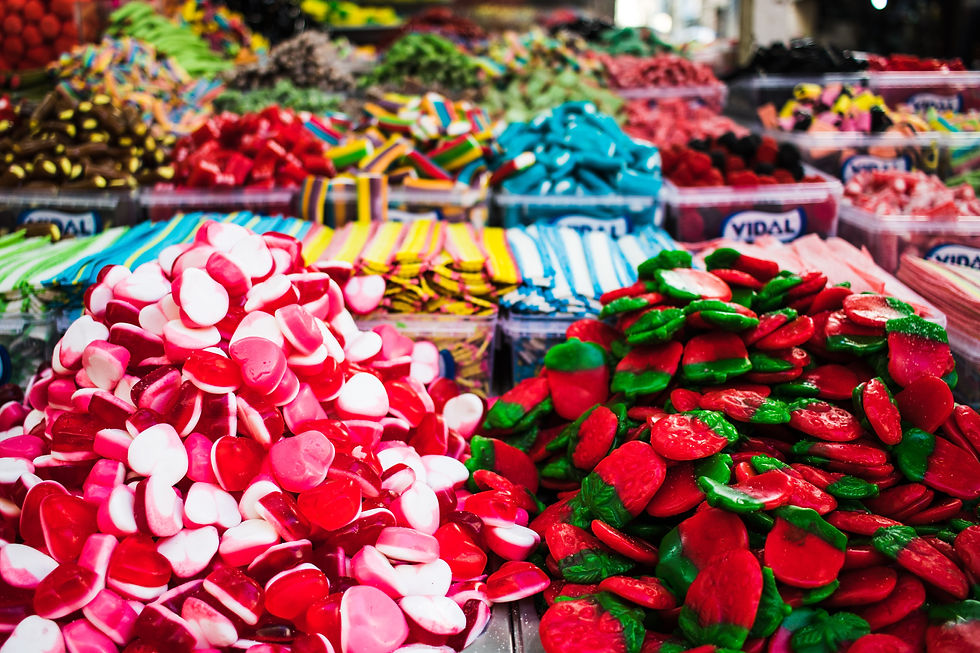
On the other hand, businesses that buy sugar—like candy makers, bakeries, and food manufacturers—say it drives up their costs. Some have even moved operations to other countries where sugar is cheaper.
And for the rest of us? It means paying more for a candy bar, soft drink, or box of cookies than folks in other parts of the world do.

What’s the Bigger Strategy Here?
Behind all this is a mix of economic and national security ideas. The thought is that sugar, like energy or steel, is something a country shouldn’t have to rely too heavily on foreign suppliers for—especially in times of war, disaster, or crisis.
And politically speaking, sugar-producing regions tend to have strong voices in Congress. So even if changes to the program get discussed, they don’t usually go very far.

What Do Critics Say?
There’s no shortage of folks who want to see the sugar program reformed—or scrapped entirely. Some of the most common concerns include:
Some economists argue that the U.S. could save money and still protect farmers by modernizing the system or switching to direct payments instead of manipulating prices. Others say we could help poor countries by importing more of their sugar instead of keeping them out.

What Should Happen Next?
That’s up to you, and the folks you vote for. My goal here isn’t to sway you one way or the other—but to make the whole picture a little clearer. This is your money, after all. Whether you believe the sugar program is a smart investment in American farming or an outdated deal that needs a rethink, it helps to know how it works and who’s behind it.
So the next time you reach for a sweet treat, you’ll know there’s a little more to that sugar than meets the eye. It’s not just about flavor—it’s about history, economics, politics, and your grocery bill.


Comments