


Sushi Cultural Evolution: Understanding Sushi's Rich History
- ER Kent

- Apr 5
- 4 min read
Sushi is more than just a delicious meal; it’s a story told through time, culture, and flavors. When I first started exploring sushi beyond the restaurant menu, I was amazed by how much history and tradition are wrapped up in those small, artful bites. If you’ve ever wondered where sushi came from, how it evolved, and what makes it so special, you’re in the right place. Let’s take a warm, inviting journey through sushi’s rich past and discover how it became the beloved dish we enjoy today.
The Origins of Sushi: A Journey Back in Time
Sushi’s story begins not in Japan, as many might assume, but in Southeast Asia. The earliest form of sushi was a method of preserving fish by fermenting it with rice. This technique, called narezushi, involved packing fish in rice and letting it ferment for months. The rice was discarded, and only the fish was eaten. This method helped people enjoy fish long after it was caught, a clever solution before refrigeration existed.
As this practice traveled to Japan around the 8th century, it slowly transformed. The Japanese started eating the rice along with the fish, and over centuries, sushi evolved into a fresher, more delicate dish. This shift marked the beginning of sushi as we know it today - a balance of vinegared rice and fresh fish.
Imagine the patience and care it took to perfect this process, turning a preservation technique into a culinary art. It’s a beautiful reminder that food traditions often grow from necessity and creativity.
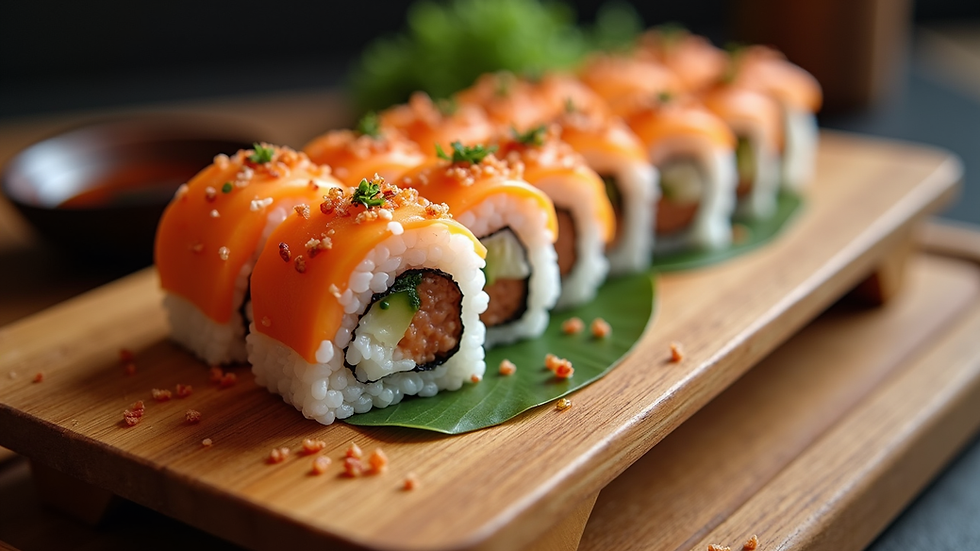
Sushi Cultural Evolution: From Street Food to Global Delight
Sushi’s journey didn’t stop in Japan. It continued to evolve, especially during the Edo period (1603-1868), when Tokyo (then Edo) became a bustling city. This era gave birth to nigiri sushi - hand-pressed sushi with fresh fish on top of vinegared rice. It was fast, fresh, and perfect for busy city dwellers looking for a quick meal.
This style of sushi was the original fast food, sold at stalls and enjoyed on the go. It was simple yet flavorful, and its popularity soared. Over time, sushi chefs refined their techniques, experimenting with different fish, rice textures, and presentation styles.
Fast forward to the 20th century, sushi crossed oceans and found new homes worldwide. Today, sushi is a global phenomenon, loved for its elegance and health benefits. Whether you’re making sushi at home or ordering it from a local restaurant, you’re part of a long, fascinating cultural evolution.

Was Sushi Invented in Japan or Korea?
This question often sparks lively debates, and it’s a great example of how food history can be complex and intertwined. While sushi is widely recognized as a Japanese culinary treasure, some historians point to Korean influences in its early development.
In Korea, a similar fermented fish and rice dish called jeotgal has been enjoyed for centuries. The techniques of fermenting fish with rice and salt share similarities with early sushi methods. However, the distinct styles and cultural significance of sushi as we know it today were largely shaped in Japan.
So, while Korea contributed to the broader tradition of fermented fish dishes, sushi’s identity and refinement are deeply rooted in Japanese culture. This blend of influences highlights how food traditions often cross borders and evolve through shared human experiences.
How Sushi Became a Home Cook’s Delight
If you’re like me, the idea of making sushi at home might seem intimidating at first. But understanding its history makes it feel more approachable. Sushi started as a simple, practical way to enjoy fish, and you can bring that spirit into your kitchen.
Here are some tips to get started with homemade sushi:
Start simple - Begin with basic rolls like cucumber or avocado maki. These don’t require raw fish and are perfect for beginners.
Use quality ingredients - Fresh vegetables, good sushi rice, and nori sheets make a big difference.
Master the rice - Sushi rice is the heart of the dish. Rinse it well, cook it properly, and season it with a mix of rice vinegar, sugar, and salt.
Practice rolling - Use a bamboo mat to help shape your rolls evenly.
Experiment with flavors - Once comfortable, try adding cooked seafood, pickled vegetables, or even fruits for a creative twist.
Making sushi at home can be a fun family activity or a relaxing way to unwind after a busy day. Plus, it’s a wonderful way to connect with a centuries-old tradition in a fresh, personal way.
The Future of Sushi: Tradition Meets Innovation
Sushi’s story is still unfolding. Today, chefs and home cooks alike are blending tradition with innovation. From plant-based sushi options to fusion rolls inspired by global flavors, sushi continues to adapt and inspire.
As you explore sushi in your own kitchen, remember that you’re part of a living tradition. Each roll you make carries a piece of history, culture, and creativity. Whether you stick to classic recipes or invent your own, sushi invites you to savor the past while enjoying the present.
If you want to dive deeper into the fascinating sushi history, there are plenty of resources that explore its many layers. But most importantly, enjoy the journey - one bite at a time.
Sushi is more than food; it’s a celebration of culture, patience, and joy. I hope this glimpse into its rich history inspires you to try your hand at making sushi or simply appreciate it a little more the next time you enjoy a piece. After all, every meal is a chance to connect with stories that span centuries and continents. Happy sushi making!



Comments