


Sushi Cultural Evolution: Understanding Sushi's Rich History
- ER Kent

- 7 hours ago
- 3 min read
Sushi is more than just a popular dish enjoyed worldwide; it is a culinary art form with a fascinating past. Its journey from a simple preservation method to a global delicacy reflects centuries of cultural exchange, innovation, and tradition. Exploring sushi's rich history reveals how this iconic food evolved and why it continues to captivate food lovers everywhere.
The Origins of Sushi: From Preservation to Delicacy
Sushi's roots trace back over a thousand years to Southeast Asia, where a method called narezushi was developed. This early form of sushi involved fermenting fish with rice to preserve it. The rice was discarded, and only the fish was consumed. This technique spread to Japan around the 8th century, where it gradually transformed.
In Japan, the fermentation period shortened, and people began eating the rice along with the fish. This shift marked the beginning of sushi as a dish rather than just a preservation method. By the Muromachi period (1336-1573), sushi had evolved into hayazushi, where rice was mixed with vinegar to mimic fermentation flavors, allowing for quicker preparation.
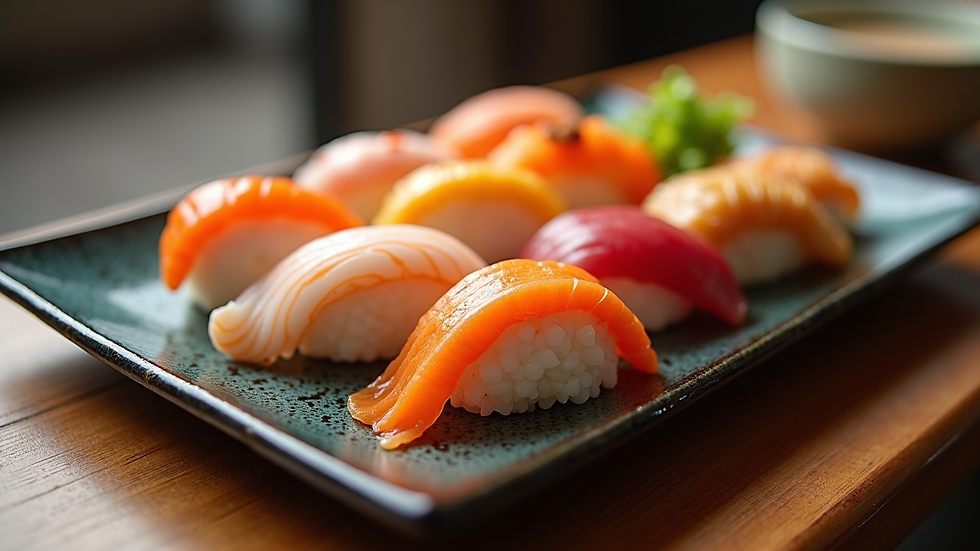
This innovation made sushi more accessible and enjoyable, setting the stage for further developments. The Edo period (1603-1868) saw the birth of nigiri sushi, the hand-pressed style most familiar today. Street vendors in Edo (modern Tokyo) served fresh fish atop vinegared rice, creating a fast and tasty meal for busy city dwellers.

Sushi Cultural Evolution: From Local Tradition to Global Phenomenon
Sushi's cultural evolution is a story of adaptation and globalization. Initially a regional Japanese specialty, sushi began to spread internationally in the 20th century. After World War II, increased travel and cultural exchange introduced sushi to the West.
In the 1960s and 1970s, sushi restaurants started appearing in major cities like Los Angeles and New York. The introduction of the California roll, which replaced raw fish with avocado and crab, helped ease Western palates into sushi. This innovation demonstrated sushi's flexibility and ability to adapt to different tastes.
Today, sushi is a global cuisine with countless variations. From traditional sashimi and nigiri to creative rolls and fusion dishes, sushi continues to evolve. Its cultural significance remains strong in Japan, where it is both a daily meal and a ceremonial food.
Was sushi invented in Japan or Korea?
The question of sushi's origin often sparks debate, particularly between Japan and Korea. While sushi as we know it is closely associated with Japan, some historians point to early fermented fish dishes in Korea that resemble narezushi.
Korean jeotgal, salted and fermented seafood, shares similarities with the preservation techniques used in early sushi. However, the specific practice of combining vinegared rice with fresh fish and serving it as a dish is widely credited to Japan.
The development of sushi in Japan was influenced by various cultural and culinary exchanges, but the distinct style of sushi, especially nigiri, is a Japanese innovation. Korea has its own rich tradition of fermented and raw seafood dishes, but sushi's modern form is primarily a product of Japanese culinary evolution.
Key Ingredients and Techniques That Shaped Sushi
Understanding sushi's history also means appreciating the ingredients and techniques that define it. The core components of sushi are vinegared rice (shari) and fresh fish or seafood (neta). The quality of these ingredients is crucial.
Rice: Sushi rice is short-grain and sticky, seasoned with a mixture of rice vinegar, sugar, and salt. This seasoning balances the flavors and preserves the rice.
Fish and Seafood: Freshness is paramount. Traditional sushi uses raw fish like tuna, salmon, and eel, but cooked and pickled items are also common.
Seaweed (Nori): Used mainly in rolls, nori adds texture and flavor.
Wasabi and Soy Sauce: These condiments enhance the taste and provide a spicy or salty contrast.
Techniques such as slicing fish with precision and forming rice by hand require skill and practice. Sushi chefs undergo years of training to master these arts, reflecting the dish's cultural importance.
Sushi's Place in Modern Cuisine and Culture
Sushi today is a symbol of Japanese culture and culinary excellence. It is served in a range of settings, from casual conveyor belt restaurants to high-end omakase experiences where chefs select each course.
The global popularity of sushi has also led to new trends:
Sustainable Sushi: With concerns about overfishing, many chefs now focus on sustainable seafood choices.
Fusion Sushi: Combining sushi with other cuisines, such as Mexican or Italian, creates innovative dishes.
Health Consciousness: Sushi is often seen as a healthy option due to its lean protein and fresh ingredients.
For those interested in exploring sushi further, visiting authentic sushi bars or trying to make sushi at home can be rewarding. Learning about the history and cultural significance adds depth to the experience.
Exploring sushi history offers insight into how a simple preservation method became a beloved global cuisine. Whether you enjoy traditional nigiri or creative rolls, sushi's rich past enhances every bite.


Comments